
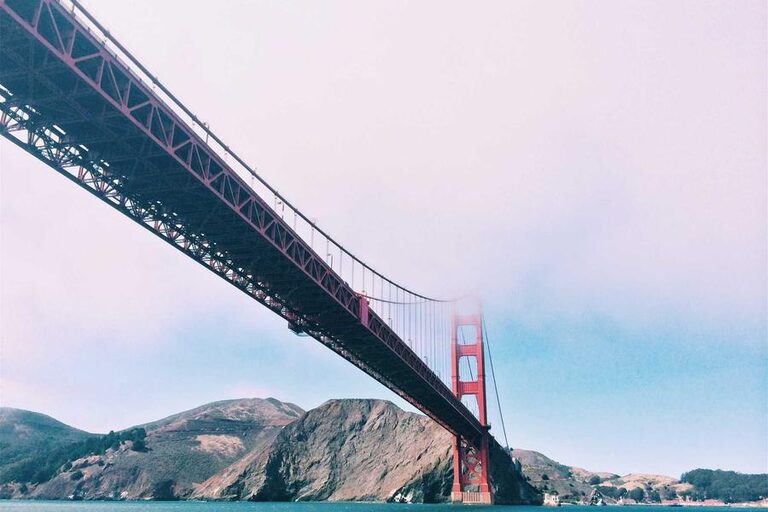
Exploring your own town on foot can feel surprisingly fresh. Streets you normally pass by may reveal historic buildings, quiet gardens, public art, local shops, or scenic viewpoints when you slow down and look closely.
A weekend walking tour does not require expensive equipment or a complicated schedule. With a little planning, you can create an enjoyable route that fits your interests, energy level, and available time. Whether you are traveling solo, spending time with friends, or showing visitors around, a walking tour can turn an ordinary weekend into a memorable local adventure.
Start With a Theme
The best walking tours usually have a simple focus. A theme gives your route a sense of purpose and helps you decide which places to include.
Consider these ideas:
– Local history and heritage
– Public art and murals
– Independent shops and cafés
– Parks, gardens, and green spaces
– Architecture and historic homes
– Waterfront or riverside views
– Bookstores, galleries, and cultural venues
– Favorite places from your town’s past
You can also create a personal theme, such as “places I have never visited” or “the best views within walking distance.” A theme does not need to be official or educational. It simply helps connect the stops along your route.
Choose a Manageable Route
A walking tour is more enjoyable when the distance matches your group’s pace. For a relaxed half-day outing, plan for about two to four miles, including time spent stopping and exploring. A full-day tour might cover more ground, but only if you include regular breaks.
Begin by choosing a starting point that is easy to reach. This could be a public square, train station, library, park, or popular landmark. If possible, finish near restaurants, cafés, or public transportation so the day ends conveniently.
When planning your route, look for:
– Safe and comfortable sidewalks
– Crosswalks at busy intersections
– Public restrooms
– Places to sit
– Shade or shelter
– Convenient food and drink stops
– Shortcuts or alternate routes
Try to create a loop instead of walking back along the same streets. A loop allows you to see more of your town and makes the tour feel like a complete journey.
Build in Flexibility
Avoid planning every minute. Leave room for unexpected discoveries, a longer stop at an interesting shop, or a change in weather. You can mark a few optional stops that may be skipped if the group needs more time to rest.
A good route has a clear structure but still feels relaxed.
Research the Stops
You do not need to become a local historian, but a little research can make each stop more interesting. Look for reliable information from local museums, libraries, historical societies, parks departments, and community websites.
For each stop, collect one or two useful details:
– When the place was built or established
– Why it matters to the community
– A notable person or event connected to it
– A detail that visitors might otherwise miss
– How the location has changed over time
Keep your notes short. A walking tour should feel like a conversation, not a lecture. Interesting details can be shared naturally as you move from one place to the next.
You can also add personal observations. Explain why you enjoy a particular view, shop, building, or street. A personal connection often makes the experience more engaging than a list of facts.
Add Comfortable Breaks
Walking tours are more enjoyable when people have regular opportunities to pause. Plan a break every 45 to 60 minutes, even if it is only a few minutes on a bench.
Good break locations include:
– A quiet park
– A café or bakery
– A library
– A public plaza
– A scenic overlook
– A market
– A shaded courtyard
If you are inviting others, let them know in advance how long the tour will last and whether food or drinks will be available along the way. Encourage everyone to bring water and wear comfortable shoes.
For longer routes, consider making lunch part of the plan. A local café, food hall, or picnic area can become one of the highlights of the day.
Use Maps and Helpful Tools
A digital map makes it easier to measure distance, estimate walking time, and check the order of your stops. Save important locations before you leave, especially if your route includes places with limited hours or unreliable mobile service.
Useful planning tools may include:
– A walking map app
– Local tourism websites
– Public transit maps
– Weather forecasts
– Business hours listings
– Notes on your phone
– A printed backup map
Do not rely only on directions between major landmarks. Check the actual walking path, since some streets may lack sidewalks, include steep hills, or be difficult to cross.
If you are leading a group, share the route in advance. This gives participants a better idea of the distance and helps them plan appropriately.
Plan Around the Season
The time of year can shape the entire experience. In warmer months, begin earlier to avoid the hottest part of the day. Look for tree-lined streets and shaded places to rest. In colder weather, choose indoor stops such as museums, galleries, shops, and cafés.
Before leaving, check:
– The forecast
– Sunrise and sunset times
– Opening hours
– Special events
– Road closures
– Seasonal conditions
A light rain does not always require canceling a tour, but it is helpful to have an indoor alternative. Create a shorter backup route with covered stops if possible.
Make the Tour Interactive
A few simple activities can make the walk more engaging. Ask participants to look for specific architectural features, unusual signs, types of public art, or hidden details on older buildings.
You might create a small checklist such as:
– Find three different types of street art
– Photograph an interesting doorway
– Spot a building older than 100 years
– Visit a shop you have never entered
– Find the quietest public space on the route
You can also invite everyone to share a favorite location or recommend a place to visit later. These small prompts help people pay attention and make the tour feel more personal.
Keep the Group Comfortable and Respectful
If you are walking with others, set a pace that allows everyone to participate. Avoid leaving slower walkers behind, and gather at clear meeting points after crossing streets or entering busy areas.
Be considerate of residents, businesses, and other pedestrians. Keep noise at a reasonable level, stay on public paths, and ask before taking close-up photographs of people. If you visit a small shop or café, remember that staff are working and may not be able to answer every question.
Leave parks and public spaces as you found them. Carry out any trash and follow local rules about pets, photography, and restricted areas.
End With a Memorable Stop
The final stop should give the tour a satisfying conclusion. Choose a place where the group can sit, enjoy refreshments, take photographs, or talk about the experience.
Possible endings include:
– A viewpoint at sunset
– A favorite local restaurant
– A public garden
– A historic square
– A small dessert shop
– A riverside bench
– A community market
After the tour, write down what worked well and what you would change. Perhaps the route was longer than expected, one stop was closed, or a particular street offered a better view than planned. These notes will make your next walking tour even easier to organize.
See Your Town With Fresh Eyes
Planning a weekend walking tour is an invitation to slow down and pay attention. You may learn something new about your town, support local businesses, and notice details that are easy to miss from a car or bus.
Choose a theme, build a comfortable route, include time for breaks, and leave space for discovery. Even a familiar neighborhood can become a rewarding destination when you explore it with curiosity.